From LAN Cafes to Global Stages
The story of how Indian gamers went from playing Counter-Strike in dimly lit cyber cafes to representing the nation on global eSports stages—a journey of passion, persistence, and glory.
Brief History of eSports in India
Indian eSports traces its roots back to the early 2000s, when cyber cafes became the breeding ground for competitive gaming. Games like Counter-Strike 1.6, FIFA, and Age of Empires dominated the scene, with local LAN tournaments drawing passionate players.
Back then, professional gaming was considered a pipe dream. Parents frowned upon it, society didn't understand it, and there was no prize money to speak of. Yet, the love for gaming persisted.
The real turning point came around 2010-2013 with improved internet infrastructure and the arrival of international tournament organizers. ESL India Premiership (2013) and other leagues brought structure to Indian eSports.
Key Milestones
- •2004: First organized Counter-Strike tournaments in Mumbai and Delhi
- •2013: ESL India Premiership launches, bringing professionalism
- •2016: Indian teams start competing internationally
- •2018: Mobile gaming explosion with PUBG Mobile entry
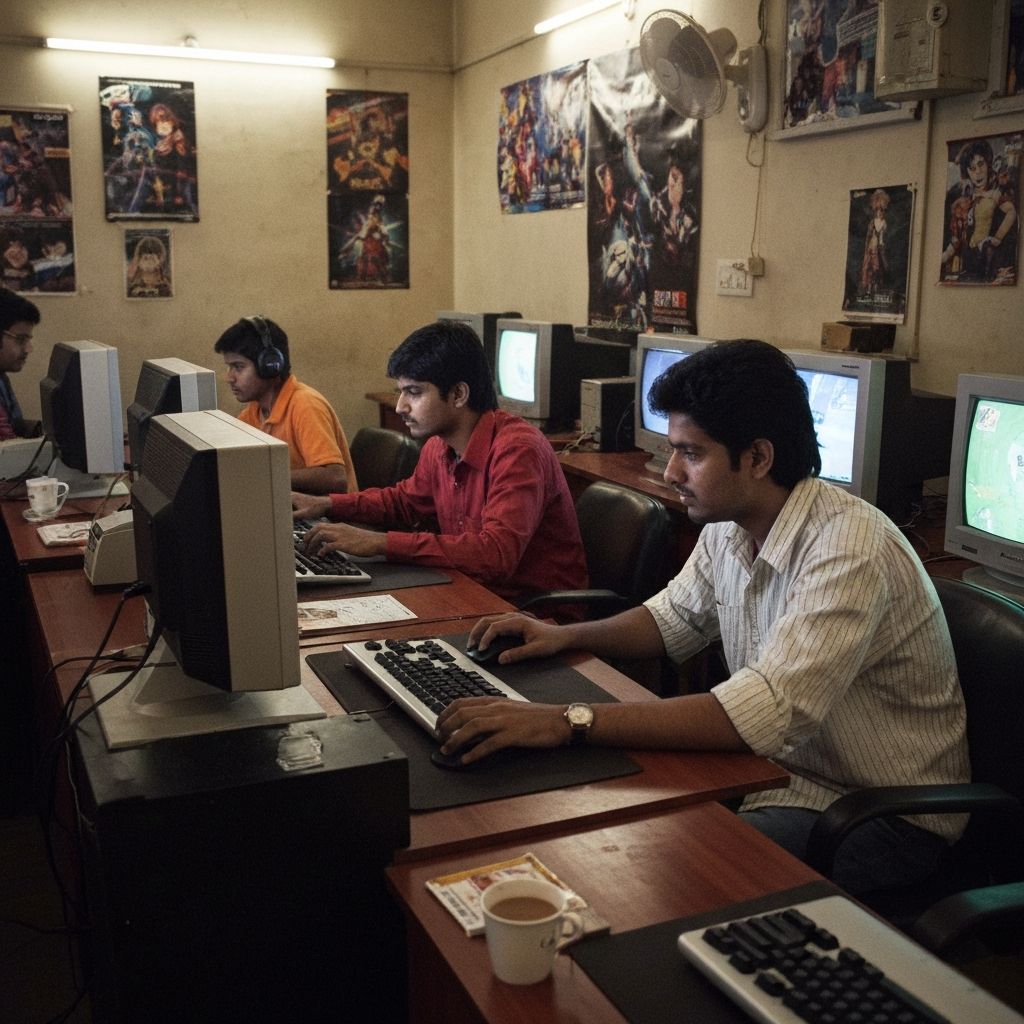
The early 2000s cyber cafe culture where Indian eSports began
Evolution & Growth
Mobile Revolution
PUBG Mobile's 2018 launch changed everything. Suddenly, you didn't need an expensive PC—just a smartphone. Within months, millions of Indians were playing competitively. BGMI, Free Fire, and Call of Duty Mobile followed, democratizing eSports access.
Prize Pools Surge
From ₹10,000 prizes in 2010 to crore-rupee tournaments today. Organizations like NODWIN Gaming, JioGames, and Skyesports invested heavily. Valorant Conquerors Championship 2024 featured ₹1 crore+ prize pool—unthinkable a decade ago.
Content Creators
Streamers like MortaL, Scout, and GamerFleet brought gaming to the mainstream. YouTube and livestreaming normalized gaming as a career. Today, top creators have millions of subscribers, inspiring the next generation.
Team Organizations
Professional organizations like Team Soul, GodLike Esports, Orangutan, and Entity Gaming emerged. These teams provide salaries, bootcamps, coaches, and mental health support—treating players like professional athletes.
Infrastructure Growth
Jio's affordable 4G revolutionized connectivity. Gaming cafes upgraded to eSports arenas. Cities like Mumbai, Delhi, Bangalore, and Hyderabad became eSports hubs with dedicated training facilities and tournament venues.
Brand Investments
Mainstream brands entered the scene. Mercedes-Benz, Red Bull, OnePlus, and others sponsor teams and tournaments. Celebrities like Virat Kohli and Amitabh Bachchan invested in eSports teams, bringing credibility.
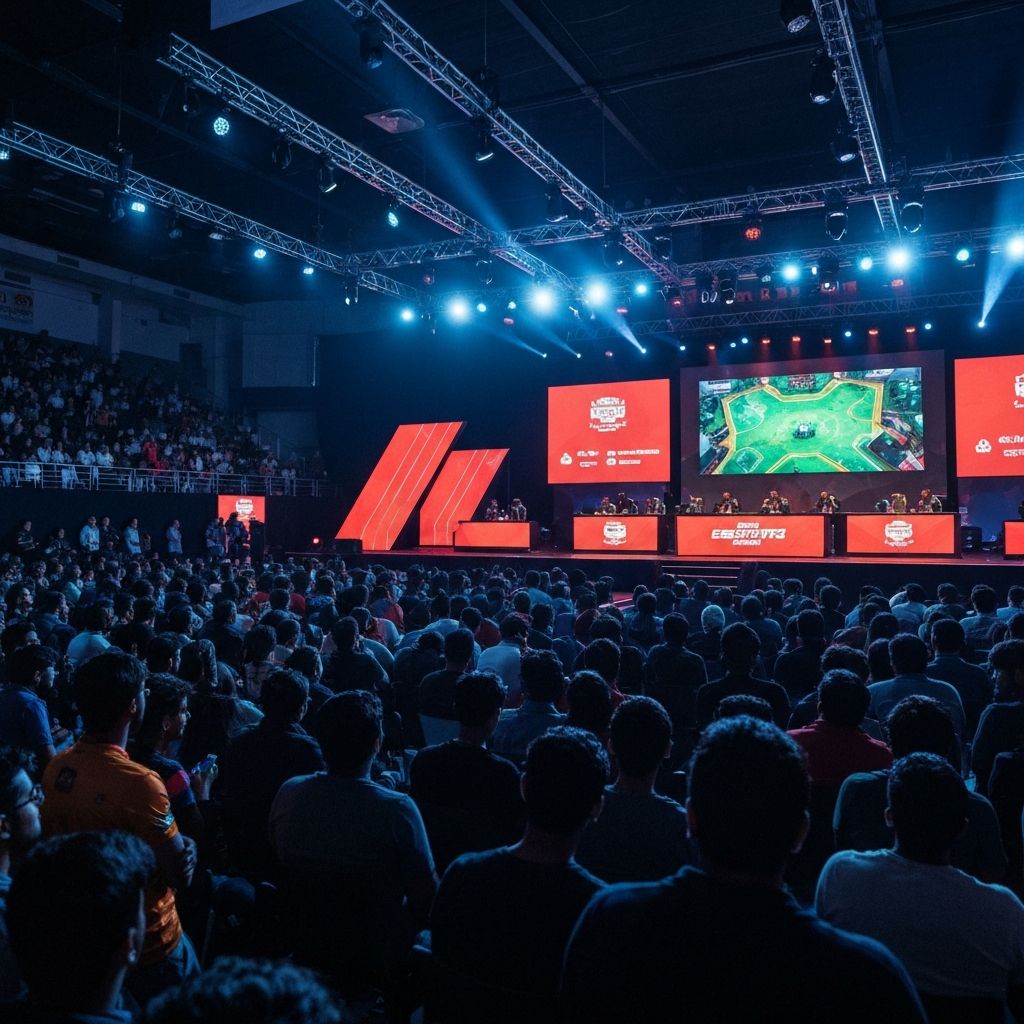
Modern eSports tournaments in India feature stadium-scale productions and massive audiences
Recognition & Legitimacy
The journey from "just a game" to a recognized competitive sport has been remarkable. Government support, federation formation, and international achievements have legitimized eSports in India.
Government Recognition (2022-2024)
- ✓Ministry of Electronics and IT recognized eSports as part of multi-sport events (2022)
- ✓Esports Federation of India (ESFI) established as official governing body, recognized by International Esports Federation (IESF)
- ✓Asian Games 2023 included eSports as a medal event, with Indian contingent participation
- ✓Sports Ministry discussions ongoing about including eSports under sports development programs
International Achievements
Asian Games 2023 - Bronze Medal
Indian DOTA 2 team won bronze at the Asian Games in Hangzhou, marking India's first-ever eSports medal at a multi-sport international event
PUBG Mobile World Championships
Team Soul (2020) and other Indian teams consistently reached global playoffs, competing against world's best mobile gaming teams
Commonwealth Esports Championships 2022
India participated in the inaugural Commonwealth Esports Championships, establishing presence in traditional sports bodies
Educational Institutions
Universities and colleges now recognize eSports. Several institutions have launched eSports programs:
- •MIT-WPU Pune launched India's first BSc in Gaming and Esports (2021)
- •Inter-college eSports tournaments now common across IITs, NITs, and private universities
- •Courses in game design, eSports management, and streaming becoming available at premier institutions
Current State (2025–2026)
Indian eSports is now a multi-crore industry with professional infrastructure, mainstream acceptance, and global competitiveness.
Major Leagues
- • BGMI Masters Series & Pro League
- • Valorant Conquerors Championship (VCC)
- • Free Fire India Championship
- • Skyesports Championship Series
- • NODWIN Gaming IPs (multiple titles)
Top Organizations
- • Team Soul - BGMI dominance
- • GodLike Esports - Multi-title powerhouse
- • Orangutan - BGMI & Valorant
- • Entity Gaming - Valorant specialists
- • Global Esports - International rep
Streaming Platforms
- • YouTube Gaming - Massive viewership
- • Loco - India-focused platform
- • Rooter - Social gaming app
- • Facebook Gaming - Growing presence
- • Twitch - International audience
Future Outlook
Near Future (2026-2027)
- →Olympics Inclusion: eSports potentially featured in Olympic Esports Games, boosting mainstream acceptance
- →Regional Leagues: City-based franchise leagues (Mumbai, Delhi, Bangalore teams) similar to IPL format
- →College Programs: More universities offering degrees and scholarships for eSports athletes
- →Corporate Investment: Increased funding from VCs and traditional sports franchises
Long-term Vision (2030+)
- →India becoming a top-5 global eSports nation across multiple titles
- →Dedicated eSports stadiums in major metro cities
- →Professional player salaries matching traditional sports
- →India hosting major international eSports championships
- →Mainstream media coverage equal to cricket and football
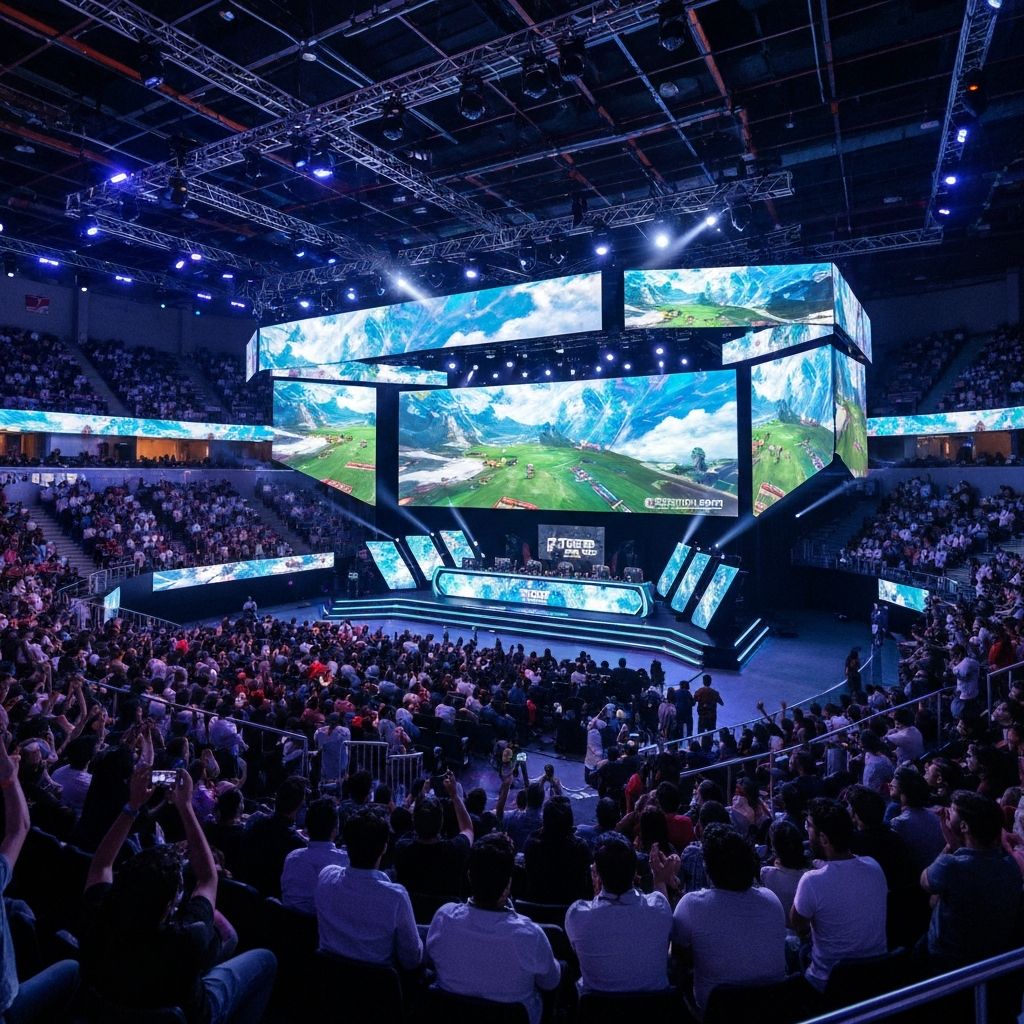
The future of Indian eSports: Advanced infrastructure and massive mainstream adoption
Challenges Ahead
Despite impressive growth, Indian eSports faces hurdles:
- •Regulatory clarity needed for online gaming vs. gambling distinction
- •Social stigma still exists; "gaming = waste of time" perception persists
- •Infrastructure gaps in tier-2 and tier-3 cities
- •Need for better player protection, contracts, and insurance
- •Mental health support and career transition programs required
The Dream
From those dimly lit cyber cafes to world championship stages, Indian eSports has come a long way. The dream? Making "professional gamer" as respectable as "professional cricketer" in every Indian household. With 5.6 Crore (560 million) gamers, countless talented players, and growing infrastructure—that dream isn't far off.
Be Part of the Journey
Indian eSports history is being written right now. Follow the latest tournaments, support your favorite teams, and witness the rise of India on the global eSports stage.
Share eSports History
Share the incredible journey of Indian eSports with others